Commercial Products

Industry Tips

The Best Paving System
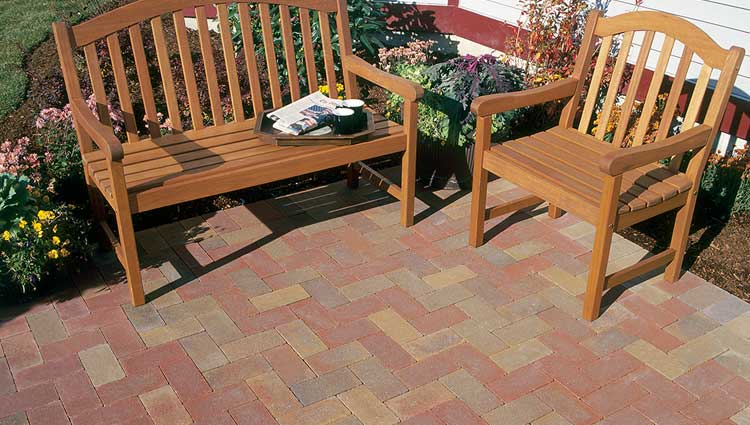
Quality concrete pavers make a surface that can last for generations when placed on a well-prepared base. They need practically no maintenance when installed to guidelines set by the Interlocking Concrete Pavement Institute (ICPI).
Read more...
 
The Best Paving System PDF Print E-mail
Quality concrete pavers make a surface that can last for generations when placed on a well-prepared base. They need practically no maintenance when installed to guidelines set by the Interlocking Concrete Pavement Institute (ICPI).
As with all pavements, sometimes maintenance is necessary. This guide will help you get the most value from your concrete paver installation.

Joint Sand
During the course of normal use, the sand-filled joints receive dirt from traffic on the pavement. Dirt settles into the top of the joints, helping to hold the sand in place. Installations exposed to driving winds or runoff, however, may lose some joint sand that can be simply replenished with dry sand. If the problem recurs, sealers will help hold the sand in the joints. These are applied over the entire paver surface as a liquid and allowed to soak and cure in the joints.

Preventing Weeds and Ants
Weeds can germinate between pavers from windblown seeds lodged in the joints. They don’t grow from the bedding sand, base or soil. Weeds can be removed by hand or with herbicides. Take care in using herbicides so that adjacent vegetated areas are not damaged. Use biodegradable products that won’t damage other vegetation or pollute water supplies when washed from the pavement surface. Besides stabilizing the joint sand, sealers can prevent seeds from germinating, and prevent ants from entering.

Color and Wear
Color in concrete pavers is achieved by adding pigment to the concrete mix during production. The cement in the concrete mix holds the pigments in place. They are very stable, showing little change in their properties over time. As the concrete pavers wear from traffic or weather, the cement and pigment particles are gradually eroded causing a color change over time. Like all pavements, concrete pavers receive dirt from foot or tire traffic which changes the surface color. One way to moderate the rate of color change is by cleaning and sealing the surface of the concrete pavers. Besides enhancing their color, sealers can prevent dirt from lodging in the surface.

Settlement and Utility Repairs
Settlement is often caused by inadequate soil or base compaction. Other factors can be water in the base or soil, too thick a layer of bedding sand, or washed out bedding and joint sand. Loose or inadequate edge restraints will cause pavers to move apart. Pavers in uneven areas can be removed, the settlement adjusted, and the units reinstated with no wasted paving materials or unsightly patches. If the base or soil has settled and is stable, remove the pavers and bedding sand, place and compact additional base material to the correct level, then add bedding sand. Bedding sand alone shouldn’t be applied to adjust the level of the surface if its thickness exceeds 11/2 in. (40 mm).

Concrete pavers can be removed for access to underground utilities, and reinstated after repairs. When utility repairs are complete, fill the trench with base material and compact it. Remove about 18 in. of pavers on either side of the opening, level the bedding sand and replenish as necessary. Reinstate the pavers, compact, fill the joints with sand and compact the surface again, filling joints as needed.

Efflorescence
Efflorescence comes from free lime released from within the concrete pavers. It’s dissolved and carried by water to the surface of the paver, leaving a white residue after the water evaporates. It doesn’t damage the concrete and it usually wears away with time. Efflorescence can be removed with cleaners specially made for concrete pavers. Use care when applying them because many contain detergents and diluted acid.

Snow and Ice Removal
Concrete pavers offer outstanding freeze / thaw resistance. They endure de-icing salts much better than most pavement surfaces. Snow and ice are removed with shovels or plows like any other pavement. Electric or liquid snow-melting systems work well under concrete pavers, eliminating plowing while reducing slip hazards.
 
< Prev
© Copyright 2008  Pavestone Company - All Rights Reserved   Login | Email Login